
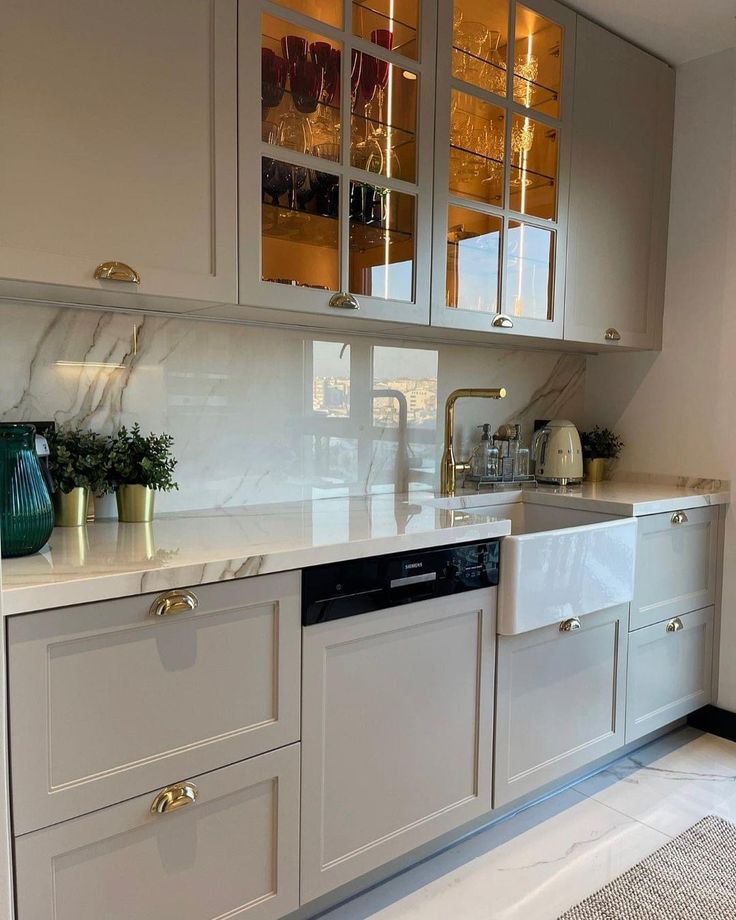
What kind of kitchen rug should be used?
A kitchen rug should both contribute to the aesthetic appearance of the kitchen and offer practical use with its functional features. Since the kitchen is an area that requires special attention due to heavy use and potential spills, durability, ease of cleaning, and safety should be prioritized when choosing a rug. Here are some things to consider when choosing a kitchen rug:
1. Material Selection
Kitchen rugs should be made of a durable, easy-to-clean, and stain-resistant material.
-
Synthetic materials:
- Polypropylene: A stain-resistant, water-resistant, and easy-to-clean option.
- Rugs: They are lightweight and easy to carry, making them a good choice for the kitchen. Machine washable models are also available.
2. Easy Cleaning
- Stain-resistant surface: Carpets that are resistant to food and drink spills should be preferred.
- Machine-washable rugs: Ideal for practical cleaning.
3. Non-slip base
- Non-slip backing for safety: To reduce the risk of slips and falls in the kitchen, rugs with non-slip backing should be preferred. Alternatively, you can use anti-slip mats under the rug.
4. Dimensions and Placement
The size and shape of a kitchen rug should be determined according to the kitchen layout.
- In front of the counter: A long, narrow rug (runner) can be placed in front of the counter.
- Central areas: If there is a dining table in the kitchen, a rug of appropriate size can be chosen to place under the table.
- Doorways: Small, durable doormat-type rugs can be placed at the entrance.
5. Color and Pattern Selection
-
Colour:
- Light colors can make a kitchen look larger and more spacious, but they are also more prone to showing dirt.
- Darker colors are more durable and look cleaner.
-
Pattern:
- Intricate patterns can conceal stains and dirt.
- Minimalist and simple patterns create a modern look.
6. Durability
A kitchen rug should be durable, as it will be frequently walked on and exposed to liquids or food spills during food preparation.
7. Subtlety
- Thick rugs can make movement difficult in the kitchen or obstruct the opening of cabinet doors. Therefore, thinner rugs should be preferred.
8. Hygiene and Anti-Allergy Properties
- Carpets that don't trap dust and bacteria and are easy to clean are ideal for the kitchen. Models with antibacterial properties are also a good choice.
9. Balance Between Price and Quality
Kitchen rugs are more likely to be replaced frequently than rugs in other rooms, so durable models that aren't excessively expensive should be chosen.
Suggestions
- Rugs: Long, thin rugs are ideal for narrow kitchens.
- Wipeable carpets: A convenient option for quick cleaning.
- Natural rugs: They are both aesthetically pleasing and lightweight, making them easy to transport and clean.
When choosing a kitchen rug, prioritize functional elements such as durability, ease of cleaning, and safety to create both a practical and stylish environment.